Planned Maintenance: Please note this site will be unavailable for a period on June 17th

Is first-party fraud becoming normalised in the UK? 

First-party fraud, when someone knowingly misrepresents their identity or provides false information for financial or material gain, remains a widespread and growing concern across the UK - and attitudes towards it are becoming increasingly permissive.

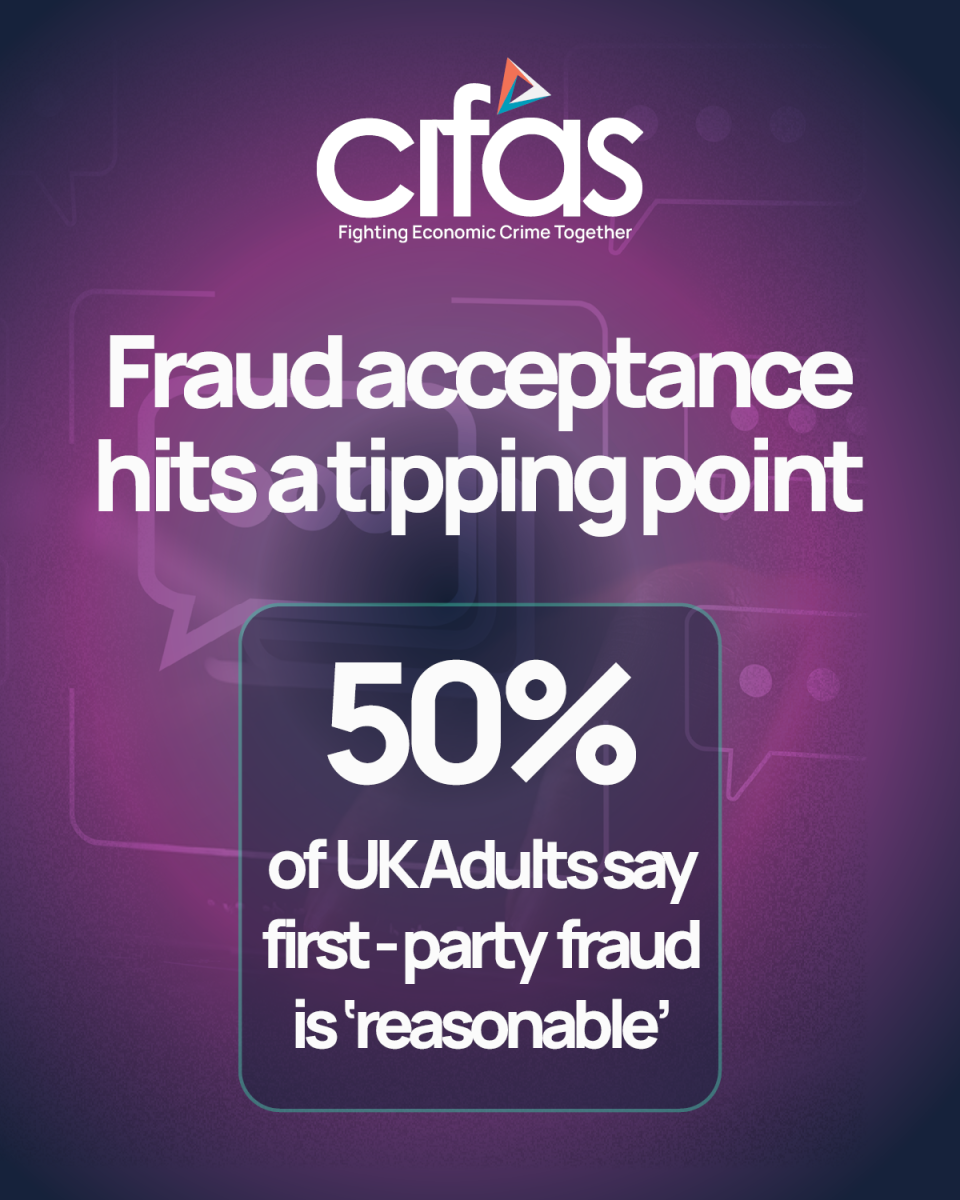
According to Cifas' Fraud Behaviours Survey 2025, half of UK adults (50%) now believe it is 'reasonable' to commit first-party fraud - a 2% rise on the 2024 results.  

While attitudes are shifting, 1 in 13 adults (8%) still say they have committed first-party fraud - the same as the first survey of its kind that we ran in 2021. However, involvement is significantly higher among younger adults, with 1 in 3 people aged 25-34 saying they have been involved - the highest of any age group. 

The research also highlights growing confusion over what is - and isn't - illegal, particularly around behaviours such as money muling, retail non-delivery fraud and lying on financial applications. 

Fraud Behaviours Survey 2025


Our popular research series is back! Exploring the attitudes of everyday people in relation to fraud, we delve into how people behave when it comes to first party fraud and if it truly has been ‘normalised’. Discover the most common types of first-party fraud, how attitudes have shifted over time, and where blurred boundaries risk normalising fraud across society. 

Download Now


Headline stories

Half of UK adults feel first party fraud is acceptable

The latest research from Cifas shows that one in two (50%) UK adults believe it is ‘reasonable’ to commit first-party fraud. 

Read the story now

"Education, clearer consequeneces, and cross-sector collaboration are critical if we are to challenge these attitudes and prevent first-party fraud from becoming increasingly normalised."

Mike Haley, CEO, Cifas


For press and media queries, contact: press@cifas.org.uk

Fraud Behaviours Survey 2024


Our popular research series is back! Exploring the attitudes of everyday people in relation to fraud, we delve into how people behave when it comes to first party fraud and if it truly has been ‘normalised’. Do respondents think reclaiming money for a lost bet is ‘reasonable’? Or that it’s legal to sell a car on finance privately and continue to make repayments? How about those who have exaggerated their CV qualifications to land their dream job? We reveal all in our latest survey…

Download Now


Headline stories

Nearly half of UK adults feel first party fraud is acceptable

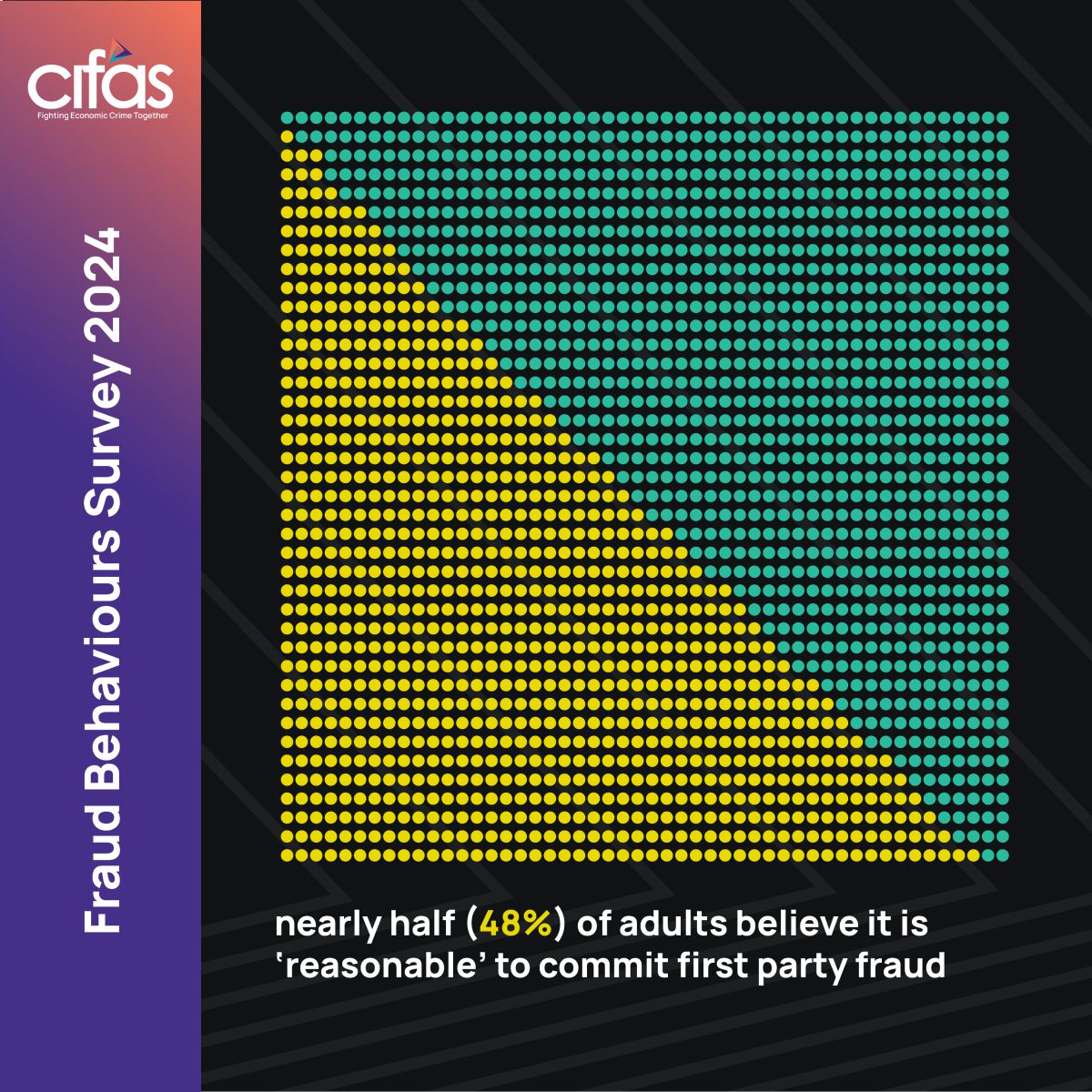
The latest research from Cifas shows that nearly half (48%) of adults believe it is ‘reasonable’ to commit first party fraud. Discover the ‘most common’ types of first party fraud.

Read now

"First party fraud is too often seen as a victimless crime. But the truth is very different. It is a growing threat and causes significant harm to individuals, businesses, and communities, and can result in severe repercussions for perpetrators. "

Mike Haley, CEO, Cifas


For press and media queries, contact: press@cifas.org.uk

Key Results from the Fraud Behaviours Survey 2023


Headline release: 1 in 8 adults admit to commiting fraud in the last 12 months

A survey carried out by Cifas, the UK's leading fraud prevention service, has revealed that 1 in 8 (12%) UK adults have committed one or more first party frauds in the last 12 months. 

As covered in The Observer >


Read the press release >


1 in 6 UK adults have exaggerated earnings to secure a mortgage

Research carried out by Cifas has revealed that 1 in 6 (16%) UK adults have admitted that they, or someone they know, have misled mortgage companies about their annual salary in order to purchase their dream home.


Read the press release >

Single Person Discount fraud increases as 1 in 5 admit to dishonest claims

According to recent research carried out by Cifas, 1 in 5 (21%) individuals revealed they, or someone they knew, had fraudulently claimed the discount in the last 12 months – an increase from 19% in 2022.

 Read the press release >